


 UMM AI


Built for Citizens. Engineered for Mission.


The Reality
The Challenges Public Sector Leaders Are Managing
Government agencies run decades-old technology—mainframes, siloed systems, and outdated portals—while citizens expect modern digital services. Modernization is difficult due to risk-averse cultures, procurement constraints, and the critical impact of system failures.
The Problem
Critical government systems still run on 50+ year-old technology, creating risks as original architects retire and millions depend on these services.
The Expectation Gap
Citizens expect government services to match modern apps—real-time updates, mobile access, and personalized experiences—but many systems were built before smartphones.

Procurement and compliance processes designed for traditional waterfall IT that slow agile development, prevent continuous deployment, and make innovation difficult to execute.

Cybersecurity requirements that protect critical infrastructure but often block cloud adoption, API integration, and the data sharing that improved citizen service requires.

Legacy systems running on mainframes and decades-old code that are too risky to replace but too expensive to maintain and impossible to integrate with modern systems.
Data silos where agencies can’t share information to serve whole-person needs because systems weren’t designed for interoperability or data standards didn’t exist when built.

Citizen-facing services designed for in-person or phone access that don’t work on mobile devices, require repeated information entry, and provide no real-time status visibility.
Our Point of View
Government Needs Platforms, Not Projects
Modernizing government isn’t just about cloud or mobile apps—it’s about rethinking how agencies serve citizens. That means breaking data silos, enabling proactive services, and building platforms that adapt quickly to policy changes while meeting security and compliance requirements.
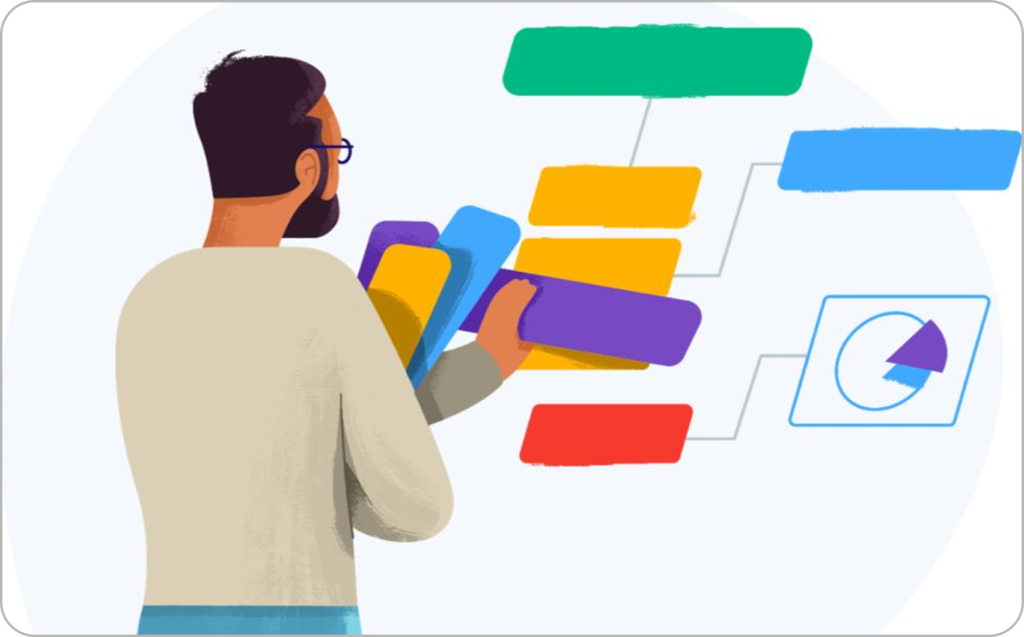
Citizen-centric platforms organized around life events, not agency structures.
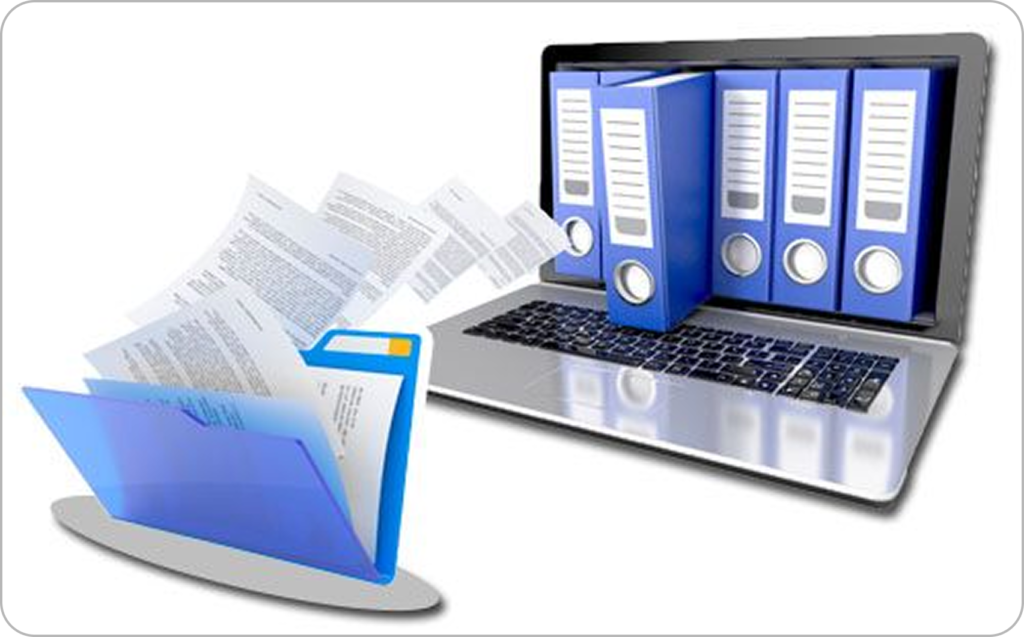
API-first architecture enabling secure data sharing across agencies.

Incremental modernization that delivers value quickly with minimal risk.
Capability System
What We Build for Government Agencies
We design and engineer the platforms, data systems, and citizen services that modern government runs on—from legacy system modernization to interagency data sharing to the digital front doors residents use to access services.
Legacy System Modernization
Modernize legacy and mainframe systems incrementally using strangler patterns without disrupting operations.
Includes
→ API layers expose legacy functionality to modern apps while hiding mainframe complexity.
→ Event-driven architectures replicate legacy data for real-time analytics without affecting production systems.
→ Microservices extraction moves components to the cloud incrementally with minimal risk.
Citizen Service Platforms
Build unified platforms where residents access government services through mobile-first, life-event–based experiences.
Includes
→ Omnichannel platforms with portals, mobile apps, contact centers, and kiosks delivering consistent service.
→ Smart benefit systems that guide enrollment, auto-fill forms, and show real-time status.
→ Secure identity management with login.gov, MFA, and single sign-on across agencies.
Interagency Data Sharing
Enable secure data sharing across agencies using APIs and privacy-preserving technologies.
Includes
→ Enterprise data platforms with governance for data quality, privacy, and auditability.
→ API gateways enabling secure, controlled data sharing across agencies.
→ Master data management creating unified records for citizens, businesses, and locations.
Cloud & Cybersecurity
Deploy secure cloud infrastructure meeting FedRAMP, StateRAMP, and CJIS requirements.
Includes
→ Multi-cloud platforms (AWS GovCloud, Azure Government, Google Cloud) meeting FedRAMP and agency compliance.
→ Zero-trust security with identity-based access and continuous verification.
→ Security operations centers with continuous monitoring, threat detection, and automated response.
AI in Practice
Embed AI Into Service Delivery, Operations, and Policy Impact
AI creates value in government by improving citizen outcomes—identifying benefit eligibility, predicting infrastructure needs, automating service requests, and analyzing policy impacts while maintaining privacy and accountability.
Steps From AI Pilots to Real‑World Impact
Identify Citizen Outcome Opportunities
Start where AI improves service quality, reduces wait times, identifies unreached populations, or prevents problems—such as eligibility screening, benefit fraud detection, infrastructure monitoring, or service triage.
Build Responsible Data Foundations
Create platforms that integrate agency data with privacy controls, de-identification, audit trails, and governance ensuring AI improves service while protecting resident information and maintaining public trust.
Deploy Explainable AI
Embed models that provide decision reasoning for accountability—especially for systems affecting benefits, enforcement, or resource allocation where residents and oversight bodies need to understand outcomes.
Measure Citizen Impact
Track how AI affects service speed, accuracy, equity, and resident satisfaction—not just operational efficiency. Ensure systems improve outcomes for underserved populations, not just averages.
Who We Serve
Who We Serve in Government
We partner with government agencies where technology modernization, citizen service delivery, and operational efficiency determine mission success and public trust.
Federal Agencies
Cabinet departments and federal agencies—modernizing enterprise systems, building citizen-facing portals, enabling cross-agency data sharing, deploying cloud infrastructure, and implementing cybersecurity frameworks meeting FedRAMP, FISMA, and agency-specific requirements.
State Governments
State agencies delivering health, human services, transportation, revenue, and public safety—building integrated eligibility systems, modernizing legacy platforms, deploying digital services, and enabling data sharing across departments serving residents.
Local & Municipal Government
Cities, counties, and municipalities—modernizing permitting, licensing, tax collection, and constituent services with digital platforms, mobile access, payment processing, and the constituent relationship management that improves responsiveness.
Public Sector
Organizations
Education institutions, healthcare systems, and quasi-governmental organizations—building platforms for student services, patient care, grant management, and mission delivery with security and compliance meeting public sector standards.
How We Work
Designed for Mission, Built for Compliance
We combine public sector expertise with platform engineering so solutions improve citizen outcomes while meeting the security, compliance, accessibility, and procurement requirements government agencies navigate.
Diagnose
Assess the technology landscape and set modernization priorities while balancing risk, procurement constraints, and service continuity.
Design
Design secure, compliant cloud solutions with APIs for interagency data sharing and low-risk migration.
Deliver
Implement using agile methods—delivering in short sprints, running parallel systems, and proving value incrementally.
Government Service
Should Match Citizen
Expectations
The most effective agencies aren’t defined by the newest technology, but by platforms that make services accessible, share data responsibly, and continuously improve to better serve citizens.